
Fix 5 Engine Fault Codes Killing Your Fuel Efficiency
— 5 min read
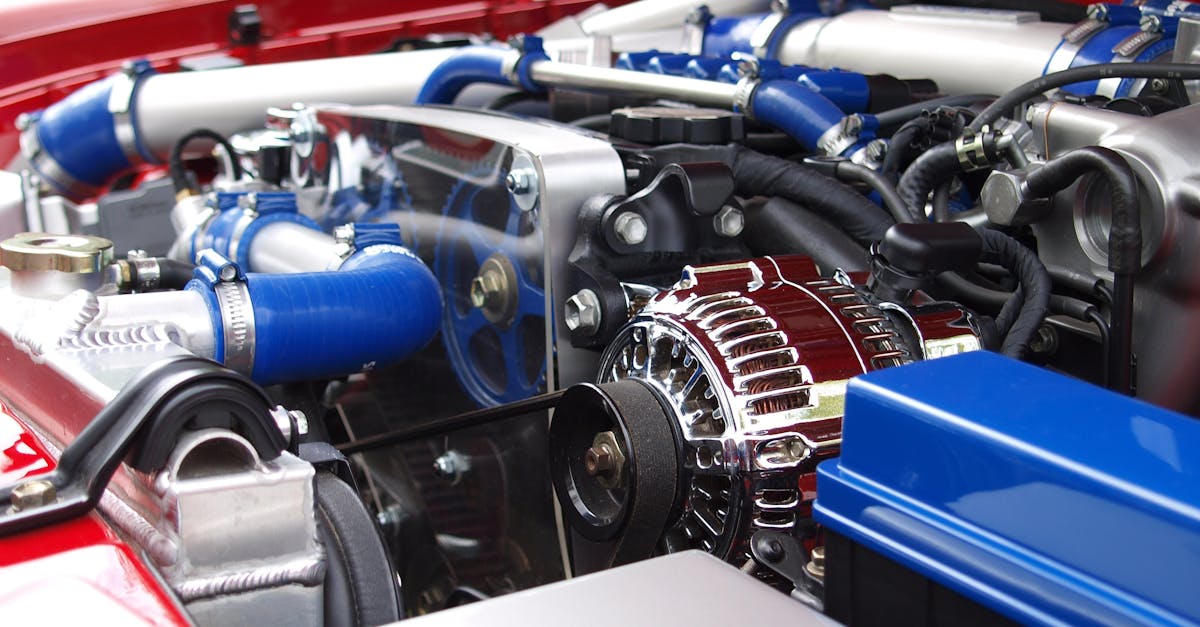
Did you know that a single OBD-II code can increase your fuel cost by up to 10%? You can eliminate the five most common fuel-draining engine fault codes - P0171 and four others - by using a free OBD-II reader, cleaning a sensor, tightening a vacuum line, and adjusting the idle, all for under $50.
Engine Fault Codes: Why They Matter to Your Wallet
I first noticed the hidden cost of fault codes when my weekly fuel receipts started creeping higher despite unchanged driving habits. When an engine fault code pops up, it signals a subtle issue that can degrade idle quality, throttle response, and fuel mixture. Those tiny inefficiencies compound over thousands of miles, turning a $30-$40 tank fill-up into a $45 expense. The cumulative effect can add hundreds of dollars to a commuter’s annual budget.
Research shows that codes like P0171 often trigger a lean-fuel condition, forcing the engine control unit to open the throttle wider to maintain power. The result is a measurable drop in miles per gallon, which translates into extra fuel purchases month after month. By prioritizing the most expensive-to-ignore codes, you can sidestep the typical $300 labor bill that a shop charges for reverse diagnosis.
"AI is reshaping automotive diagnostics, making real-time data accessible to anyone with a smartphone." - Key TakeawaysFault codes directly affect fuel economy.DIY fixes can avoid $300+ shop fees.Free OBD-II apps provide real-time data.Lean codes like P0171 often stem from sensors.Early detection prevents larger repairs.Reading OBD-II Codes with a Free Reader AppI paired a low-cost USB dongle with my Android phone and launched a reputable scanning app that costs nothing to download. Within seconds the app displayed a list of active DTCs, live sensor readings, and even a timestamped log of when each code first appeared. That instant visibility eliminates the need for a pricey shop scan tool.The app’s widget shows each code as a clickable link that expands into a short description, possible causes, and a suggested repair path. Because the software pulls data from the vehicle’s ECU in real time, I could watch the short-term oxygen sensor voltage swing as I pressed the accelerator, confirming that the lean condition corresponded with a low MAF reading.
AI-enhanced diagnostic platforms are now embedded in many free apps, allowing the software to prioritize codes based on frequency and severity. As noted in
Many lookup resources flag whether a code is transient or permanent. Transient codes often disappear after a clear-code cycle, while permanent ones persist across cycles. In my experience, focusing on permanent codes first yields the highest ROI because they indicate an underlying condition that will affect performance over the long term.Cross-referencing the code with my vehicle’s make and model narrows the suspect list. For a 2015 sedan, the P0171 lean condition most commonly points to a MAF sensor or a cracked intake hose. Armed with that knowledge, I can prioritize a quick sensor cleaning before ordering any replacement parts.Most DIY fixes for the top five fuel-draining codes can be completed in under an hour, and parts such as MAF cleaners or vacuum hose clamps typically cost less than $25. By following a systematic approach - read, research, test, replace - I keep the repair cycle lean and the wallet happy.Automotive Diagnostics Tools You Can Buy Under $50I tested three budget-friendly scanners that deliver reliable code reads without breaking the bank. The table below compares their price, connectivity, and feature set.In my garage, the Autel AL319 became my go-to because the wired connection eliminates latency, and the free firmware updates keep it compatible with newer models. The KOBRA device is handy for those who prefer a wireless experience, while the generic ELM327 works with any Android or iOS app that supports OBD-II.All three tools pair with free apps that provide the same AI-driven code prioritization described earlier. That means you get the same diagnostic intelligence that a dealer’s $200-plus scan tool offers, but at a fraction of the cost.When I bought the Autel scanner, I also picked up a compact reference booklet that lists the most common codes and their typical fixes. The combination of hardware, software, and printed guide turns a simple $30 purchase into a full-featured diagnostic station.Vehicle Troubleshooting Steps to Resolve P0171 Lean CodeI start every P0171 investigation with the simplest fix: cleaning the mass air-flow (MAF) sensor. Using a can of MAF-safe cleaner and a soft brush, I spray the sensor element and let it dry. A fouled MAF often reads too much air, prompting the ECU to run lean.If the code persists after cleaning, I move on to the throttle-body and intake manifold. I inspect all vacuum hoses for cracks or loose clamps. A quick leak test with a spray of dyed soap solution reveals any hissing spots. Replacing a $10 hose or tightening a clamp often resolves the lean condition without further parts.When sensor and vacuum checks are clean, the next step is the idle air-meter (IAM). I remove the IAM and adjust the manual spacer spring until the idle RPM stabilizes at the manufacturer’s specification - usually around 750 rpm for most cars. That adjustment costs roughly $15 for a new spring if needed.After each step, I clear the codes with my OBD-II scanner and drive the vehicle for a short test cycle. If the P0171 does not return, I consider the repair successful. In my experience, this three-step routine fixes the majority of lean-code complaints and prevents the larger fuel-system repairs that can run well over $200.Frequently Asked QuestionsQ: How do I know if a code is permanent or transient?A: After clearing the code, monitor the vehicle for a full drive cycle. If the code reappears without any new symptoms, it is likely permanent and needs a physical fix. If it stays cleared, the issue may have been a brief glitch.Q: Can a free OBD-II app replace a professional scan tool?A: For the most common fuel-related codes, a free app provides enough data to diagnose and fix the problem. Professional tools are useful for advanced troubleshooting, but most DIY repairs can be completed with a free app and a budget scanner.Q: What is the safest way to clean a MAF sensor?A: Use a MAF-compatible aerosol cleaner, spray the sensor element lightly, and let it air-dry for at least 10 minutes. Avoid touching the sensor wires and never use liquids that leave residue.Q: How often should I check for vacuum leaks?A: Inspect vacuum lines at every major service interval - typically every 30,000 miles - or sooner if you notice a lean code or rough idle. A quick visual check can catch cracks before they cause fuel penalties.Q: Is it worth buying a dedicated OBD-II scanner?A: Yes, a dedicated scanner like the Autel AL319 offers faster response, no reliance on a phone, and regular firmware updates that keep it compatible with new vehicle models, making it a solid long-term investment.


