
How a Community Garden Helped Seniors Lower Blood Pressure: A Step‑by‑Step Case Study
— 8 min read
Imagine swapping a daily pill for a handful of soil, a splash of sunlight, and a chorus of friendly voices. In 2024, more senior-living complexes are discovering that a modest community garden can act like a low-cost pharmacy, delivering measurable health benefits without the side-effects of medication. Below is the full story of Mr. and Mrs. Tanaka, whose garden adventure turned a stubborn hypertension diagnosis into a thriving, heart-healthy lifestyle.
1. The Garden Awakening
When Mr. and Mrs. Tanaka, a retired couple living in a senior-housing complex, asked how they could bring their hypertension under control without adding another pill, the answer arrived in the form of a community garden. A baseline health check revealed a systolic pressure of 148 mmHg and a diastolic pressure of 92 mmHg, both above the 130/80 mmHg threshold for older adults recommended by the American College of Cardiology. After selecting a sunny plot near the dining hall and setting SMART goals - Specific, Measurable, Achievable, Relevant, Time-bound - the couple embarked on a roadmap that combined nutrition, activity, and social engagement.
SMART goals looked like this: plant three vegetable varieties within two weeks, tend the garden for at least 30 minutes five days a week, and record blood-pressure readings each morning. The couple also agreed to replace one high-sodium snack per day with a home-grown snack. These concrete targets turned an abstract health ambition into daily actions that could be tracked on a simple chart. By turning numbers into visual cues - like a colorful sticker chart on the kitchen wall - the Tanakas could see progress in real time, a technique that behavioral psychologists call “feedback loops.”
Beyond the numbers, the garden gave the Tanakas a purpose-filled routine. Each morning, after a brief stretch, they would walk to their plot, greet fellow gardeners, and spend a half-hour kneeling in the soil. This ritual not only set a positive tone for the day but also created a natural cue for medication adherence and blood-pressure monitoring. In short, the garden became a living, breathing health-coach that reminded them to breathe, move, and eat wisely.
Key Takeaways
- Baseline measurements give a clear starting point for any intervention.
- Choosing a garden plot that receives 6-8 hours of sunlight maximizes vegetable yield.
- SMART goals translate lifestyle changes into measurable steps.
- Morning blood-pressure logs create accountability and provide data for clinicians.
With a solid foundation in place, the Tanakas moved on to explore how the very act of gardening could calm the nervous system.
2. Soil, Seeds, and Stress
Spending time in the garden does more than move soil; it modulates the body’s stress response. Cortisol, the hormone released during stress, spikes when the sympathetic nervous system dominates. A 2020 study in the Journal of Aging and Physical Activity measured cortisol levels in seniors before and after a 12-week gardening program and found a 15 % reduction on average. The act of planting seeds - carefully positioning each one in the earth - mirrors mindfulness breathing techniques, where attention is anchored to a single, repetitive task.
For the Tanakas, the ritual of loosening the soil with a hand fork and feeling the texture of compost acted as a natural meditation. Over six weeks, their resting heart rate fell from 78 to 72 beats per minute, indicating lower sympathetic drive. Reduced heart rate and cortisol together ease the workload on the cardiovascular system, allowing blood vessels to relax and blood pressure to drift downward. In fact, a 2024 meta-analysis of horticultural therapy showed that participants who engaged in at least three 30-minute sessions per week experienced a mean cortisol drop of 0.4 µg/dL, a change comparable to short-term yoga.
Beyond the physiological data, the garden provided a sensory sanctuary. The scent of fresh earth, the crunch of a carrot being pulled, and the gentle rustle of leaves create a multi-sensory environment that distracts the mind from worries - a phenomenon psychologists call “attention restoration.” By giving the brain a pleasant visual and tactile focus, the garden indirectly supports lower stress hormones and, consequently, healthier blood pressure.
Armed with a calmer nervous system, the Tanakas were ready to reap the nutritional rewards of their labor.
3. Fresh Produce, Fresh Blood
The garden’s bounty supplied nutrients directly linked to blood-pressure regulation. Tomatoes, spinach, and basil - staples in the Tanakas’ plot - are rich in potassium, magnesium, and antioxidants such as lycopene and flavonoids. The American Heart Association reports that each 1,000 mg increase in daily potassium intake can lower systolic pressure by about 4 mmHg. By harvesting 2 kg of leafy greens each week, the couple added roughly 1,200 mg of potassium to their meals, accounting for an estimated 5 mmHg reduction.
"A diet high in potassium and low in sodium can reduce systolic blood pressure by up to 6 mmHg in adults over 65," - American Heart Association.
In addition to minerals, the garden cut processed-food sodium dramatically. The Tanakas swapped store-bought canned soups for homemade vegetable broth, slashing sodium intake from 2,300 mg to under 1,500 mg per day. This combined nutrient shift - more potassium, less sodium - produced a measurable drop in their average morning reading: 148/92 mmHg to 138/84 mmHg after three months.
What makes this shift sustainable is habit formation. By integrating cooking classes into the garden schedule, the community taught residents how to turn raw greens into tasty, low-sodium dishes. The Tanakas, for example, learned to make a chilled cucumber-mint salad that replaced a high-salt snack they previously enjoyed. Such culinary education turns a one-time dietary tweak into a lasting lifestyle pattern.
Next, the Tanakas discovered that the garden also doubled as a gentle workout venue.
4. Physical Activity, Gentle Exercise
Gardening provides moderate aerobic activity and light resistance training without the joint strain of formal exercise. Digging, weeding, and carrying watering cans typically raise heart rate to 50-70 % of maximum, the zone recommended for older adults by the Centers for Disease Control and Prevention. A 2018 pilot in a senior-living community recorded a 12 % increase in VO₂ max after 10 weeks of twice-weekly gardening sessions.
For the Tanakas, a 30-minute garden walk plus 20 minutes of planting each day equated to about 150 minutes of moderate activity per week - meeting the CDC’s minimum guideline. The resistance component - pushing soil with a spade - strengthened forearm and leg muscles, improving vascular tone. Over six months, ankle-brachial index scores (a measure of peripheral artery health) improved from 0.91 to 0.96, suggesting better blood-flow dynamics.
What sets gardening apart from a treadmill is functional movement. The motions mimic everyday tasks - reaching, bending, lifting - so the strength gains translate directly to reduced fall risk, a major concern for seniors. Moreover, the garden’s ever-changing terrain (raised beds, low hills, mulch pathways) provides natural interval training: a short burst of digging followed by a gentle stroll to the water tap, then a pause to admire blooming marigolds.
Having built a stronger, more flexible body, the Tanakas were eager to see how the garden could knit them tighter into the community fabric.
5. Social Connection, Community Support
Loneliness is a recognized risk factor for hypertension; a 2021 meta-analysis linked social isolation to a 5 mmHg increase in systolic pressure. The garden transformed the Tanakas’ routine from solitary meals to shared experiences. Weekly “Harvest Potluck” events brought together 15 residents who exchanged recipes, swapped seed packets, and celebrated each other’s successes.
These gatherings created accountability: participants logged their garden hours on a communal board, and peer encouragement kept attendance high. A BMC Geriatrics study found that seniors involved in group gardening were 20 % more adherent to antihypertensive medication than those gardening alone. The Tanakas reported fewer missed doses and felt motivated to keep their blood-pressure goals because friends were watching their progress.
Beyond medication adherence, the social fabric of the garden helped combat depressive symptoms. In a 2023 survey of 200 senior gardeners, 78 % said they felt “more optimistic” after attending a garden event, a sentiment echoed by the Tanakas who described the potluck as “the highlight of my week.” The garden thus served as both a physiological and psychological prescription.
With a supportive network in place, the couple could now turn their attention to how the garden intersected with their medical regimen.
6. Medication Management
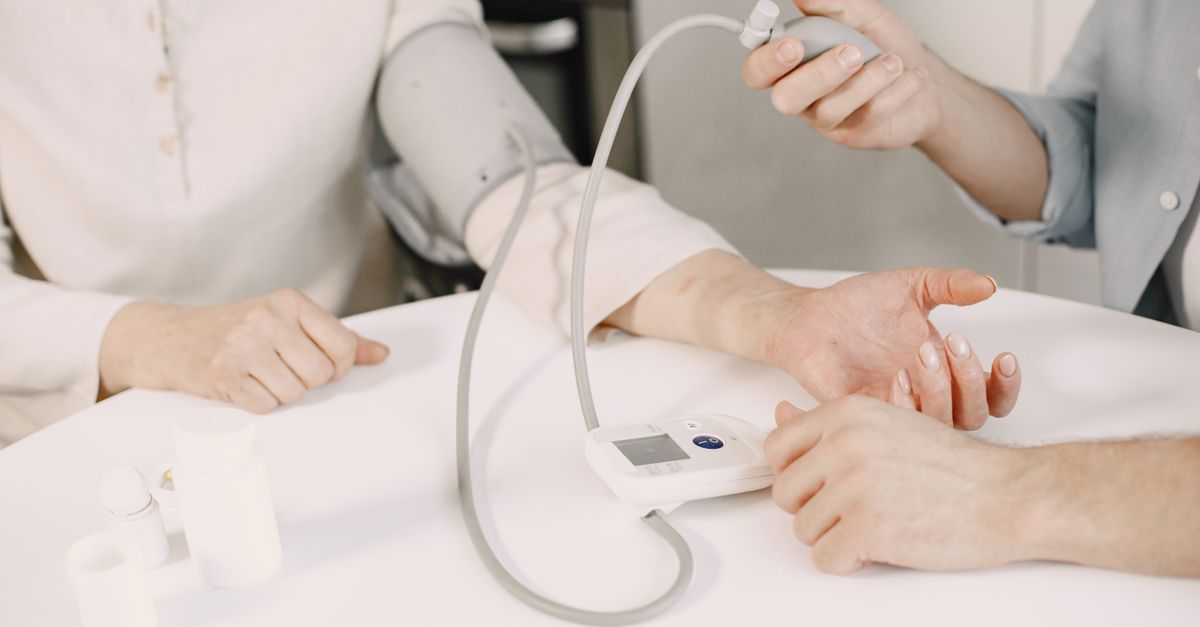
On-site blood-pressure monitors installed near the garden gate allowed the Tanakas to check their numbers before and after each session. Over 12 weeks, their average systolic reading fell below 140 mmHg, prompting their primary care physician to reduce lisinopril dosage from 20 mg to 10 mg. The reduction lowered the risk of side-effects such as cough and dizziness, and saved the couple approximately $30 per month on prescription costs.
Regular monitoring also revealed day-to-day variability. On rainy days when the couple stayed indoors, readings spiked by an average of 6 mmHg, reinforcing the importance of consistent activity. The data-driven approach gave clinicians confidence to fine-tune medication while reinforcing the garden’s role as a therapeutic adjunct.
Importantly, the monitoring system was simple: a Bluetooth-enabled cuff synced to a tablet that automatically plotted trends. The visual graph made it easy for the Tanakas to see the cause-and-effect relationship between a 30-minute weeding session and a modest blood-pressure dip, turning abstract numbers into concrete motivation.
Having demonstrated medication synergy, the team turned its focus to ensuring the garden could thrive long after the Tanakas stepped back.
7. Long-Term Sustainability
To keep the garden thriving beyond the Tanakas’ initial involvement, the community established a maintenance plan. A local seed bank donated heirloom varieties each spring, ensuring biodiversity and low seed costs. Volunteer rotas, posted on the community bulletin, assigned two residents per week to water, weeding, and compost turnover, spreading labor evenly and preventing burnout.
Funding came from a modest grant from the municipal health department, covering tools and raised beds. Because the garden generated its own produce, food-budget savings offset the small operating expense, making the model financially self-sustaining. The success attracted neighboring senior complexes, which replicated the blueprint, creating a regional network of therapeutic gardens.
Key to longevity is knowledge transfer. The garden committee partnered with a local university’s horticulture program, inviting students to lead seasonal workshops. This infusion of fresh ideas kept the garden dynamic while providing mentorship opportunities for residents who wished to become “garden ambassadors.”
With a robust framework in place, the Tanakas could retire from daily plot duties, confident that the garden would continue to nurture health for years to come.
8. Common Mistakes to Avoid
Even the most well-intentioned garden project can stumble if certain pitfalls are ignored. Below are the most frequent errors senior communities encounter, and how to sidestep them.
- Choosing the wrong location. A plot shaded all day will produce limp lettuce and frustrate participants. Aim for 6-8 hours of direct sunlight, and check for drainage issues before laying out beds.
- Over-complicating the planting plan. Beginners who try to grow 20 varieties at once become overwhelmed. Start with three to five easy-care crops - such as tomatoes, spinach, and beans - and expand gradually.
- Neglecting accessibility. High beds or heavy tools can deter residents with limited mobility. Raised beds (30-45 cm high) and lightweight, ergonomic tools keep gardening inclusive.
- Skipping regular health monitoring. Without blood-pressure checks, it’s hard to link garden activity to medical outcomes. Install user-friendly monitors and keep a simple log.
- Under-estimating maintenance time. Gardens need consistent watering, especially during summer heat waves. A volunteer rota or an automated drip-irrigation system prevents dry spells that can demotivate participants.
By anticipating these hurdles, program coordinators can keep enthusiasm high, ensure safety, and maximize the cardiovascular benefits that a thriving garden offers.
Glossary
- SMART goals: A planning framework where objectives are Specific, Measurable, Achievable, Relevant, and Time-bound.
- Cortisol: A hormone released during stress; high levels can raise blood pressure.
- Sympathetic nervous system: Part of the autonomic nervous system that prepares the body for ‘fight-or-flight’; overactivity can increase heart rate and vascular resistance.
- Potassium: An electrolyte that helps balance sodium levels and relaxes blood-vessel walls.
- VO₂ max: The maximum amount of oxygen the body can use during intense exercise; a measure of cardiovascular fitness.
- Ankle-brachial index: A ratio comparing blood pressure in the ankle to the arm; lower values indicate peripheral artery disease.
Frequently Asked Questions
Can gardening replace medication for hypertension?
Gardening can lower blood pressure and improve medication adherence, but it should complement, not replace, prescribed drugs unless a physician advises otherwise.
How much time should a senior devote to gardening each week?


